
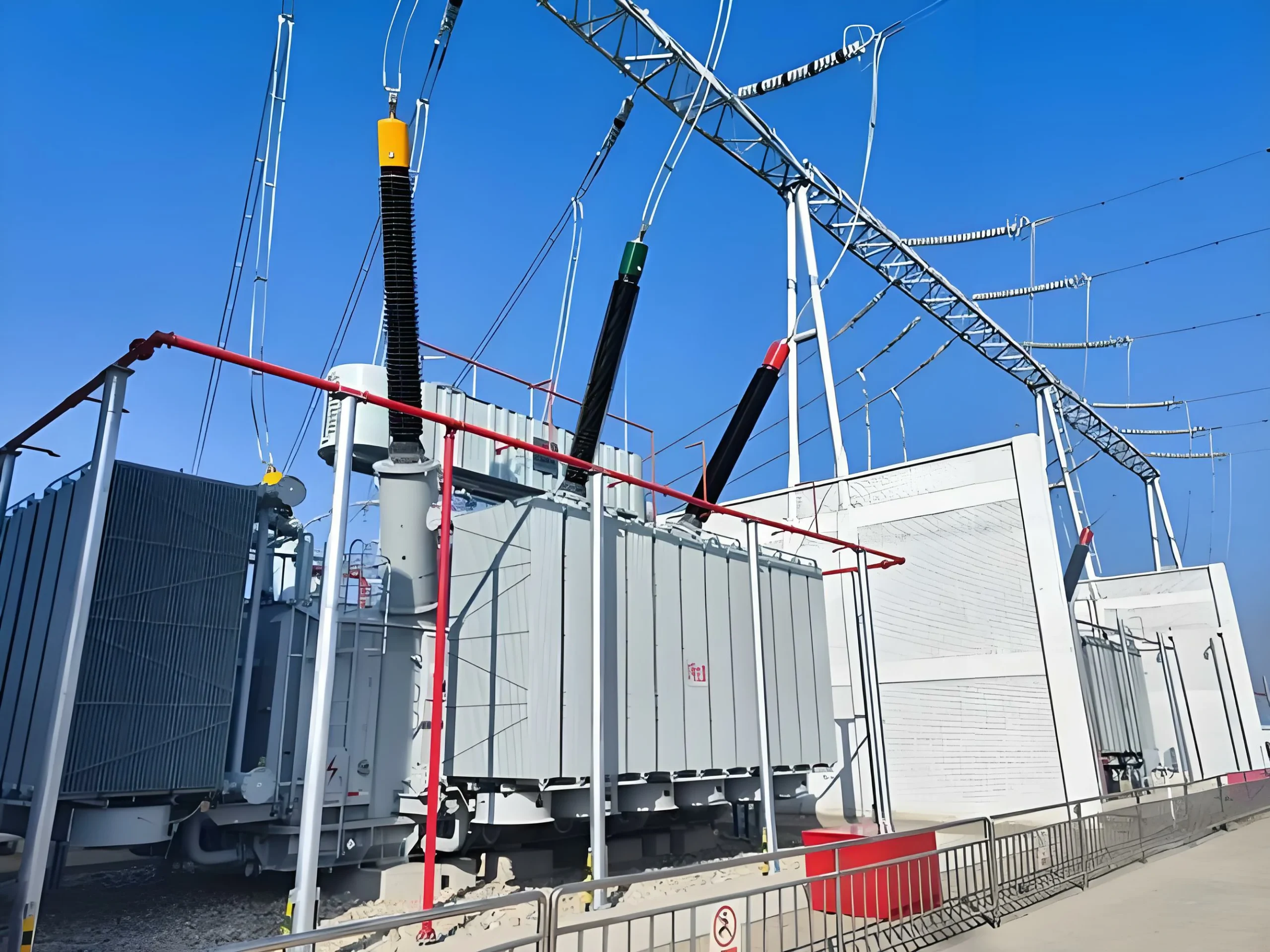
In modern commercial and industrial facilities, power reliability is not optional—it is the foundation of operational continuity, safety compliance, and production efficiency. The backbone of any resilient power infrastructure is electrical distribution equipment that distributes electricity to various loads. Facility managers, electrical engineers, and procurement specialists must understand how these systems function, how to select the right components, and how to maintain them for long-term efficiency. This guide breaks down the architecture, compliance standards, and real-world deployment strategies used by engineering teams to minimize downtime, optimize energy delivery, and future-proof critical operations.
Core Architecture and Component Hierarchy
A standardized distribution network relies on a coordinated hierarchy of components designed to manage, protect, and route power safely. Starting from the main incoming service, electricity flows through primary switchgear, medium-voltage transformers, and secondary distribution panels before reaching end-use circuits. Modern industrial installations integrate smart monitoring sensors that track voltage fluctuations, thermal load imbalances, and ground fault conditions in real time. When engineers specify electrical distribution equipment that distributes electricity to various loads, they prioritize modular designs that allow future capacity expansion without requiring system-wide shutdowns or costly retrofits. Key components include:
• Main Distribution Boards (MDBs): Central hubs that manage incoming utility feeders or standby generator power, featuring integrated metering and remote isolation capabilities.
• Circuit Protection Devices: Air circuit breakers (ACBs) for main feeders and molded-case circuit breakers (MCCBs) for branch circuits, engineered to interrupt fault currents before they cascade across the network.
• Busbar Trunking Systems: High-efficiency copper or aluminum conductors that replace traditional cable trays in heavy industrial zones, offering superior thermal dissipation and easier tap-off point modifications.
• Step-Down and Isolation Transformers: Adjust voltage levels for sensitive control systems while providing galvanic isolation to reduce harmonic distortion and ground loop interference.
Selection Criteria for B2B Procurement
Choosing the right infrastructure requires aligning technical specifications with actual operational demands rather than relying on generic catalog ratings. Industrial facilities with variable motor loads and high-inrush current machinery need equipment rated for elevated short-circuit withstand currents (Icw) and low total harmonic distortion (THD) to prevent premature insulation degradation. Commercial and data center environments, conversely, prioritize compact footprints, arc-flash mitigation, arc-resistant enclosures, and IoT-ready telemetry for remote asset tracking. Procurement teams should evaluate three non-negotiable factors during vendor qualification:
1. Compliance & Third-Party Certification: Systems must meet IEC 61439, UL 891, and IEEE C37 standards. Independent type-testing certificates verify short-circuit performance, temperature rise limits, and dielectric strength under real fault conditions.
2. Thermal Management & Environmental Derating: Ambient temperature, enclosure IP/IK ratings, and ventilation airflow directly impact continuous load capacity. Equipment installed in high-humidity or corrosive environments requires specialized coatings and sealed busbar compartments.
3. Total Cost of Ownership (TCO) Analysis: Initial procurement typically represents only 30% of lifecycle cost. Maintenance intervals, spare part lead times, firmware update policies, and remote diagnostic capabilities determine long-term operational ROI.
Deployment Best Practices and Predictive Maintenance
Real-world commissioning data consistently shows that improper load balancing and delayed predictive maintenance are the leading causes of unplanned facility outages. Engineering best practices recommend quarterly thermographic inspections, annual primary injection testing for protective relays, and routine contact resistance verification on main bus connections. Facilities that implement condition-based monitoring platforms reduce fault response time by up to 65% and extend breaker lifespan by 40%. Always document baseline load profiles during initial energization and establish trend thresholds for automated alerting. When integrating renewable microgrids or diesel backup systems, automatic transfer switches (ATS) must be synchronized to prevent phase imbalance, voltage sags, and transient surges that damage sensitive electronics.
Designing a resilient power network requires more than purchasing certified components—it demands strategic load mapping, rigorous compliance validation, and proactive maintenance protocols. Facilities that treat their distribution infrastructure as a dynamic, data-driven asset consistently achieve higher uptime, lower energy waste, and smoother regulatory audits. For tailored load studies, arc-flash hazard analysis, or comprehensive vendor evaluation frameworks, consult certified power systems engineers before finalizing procurement specifications.
Subscribe to our free newsletter
We provide customized power distribution equipment solutions.
Our Privacy Policy .