
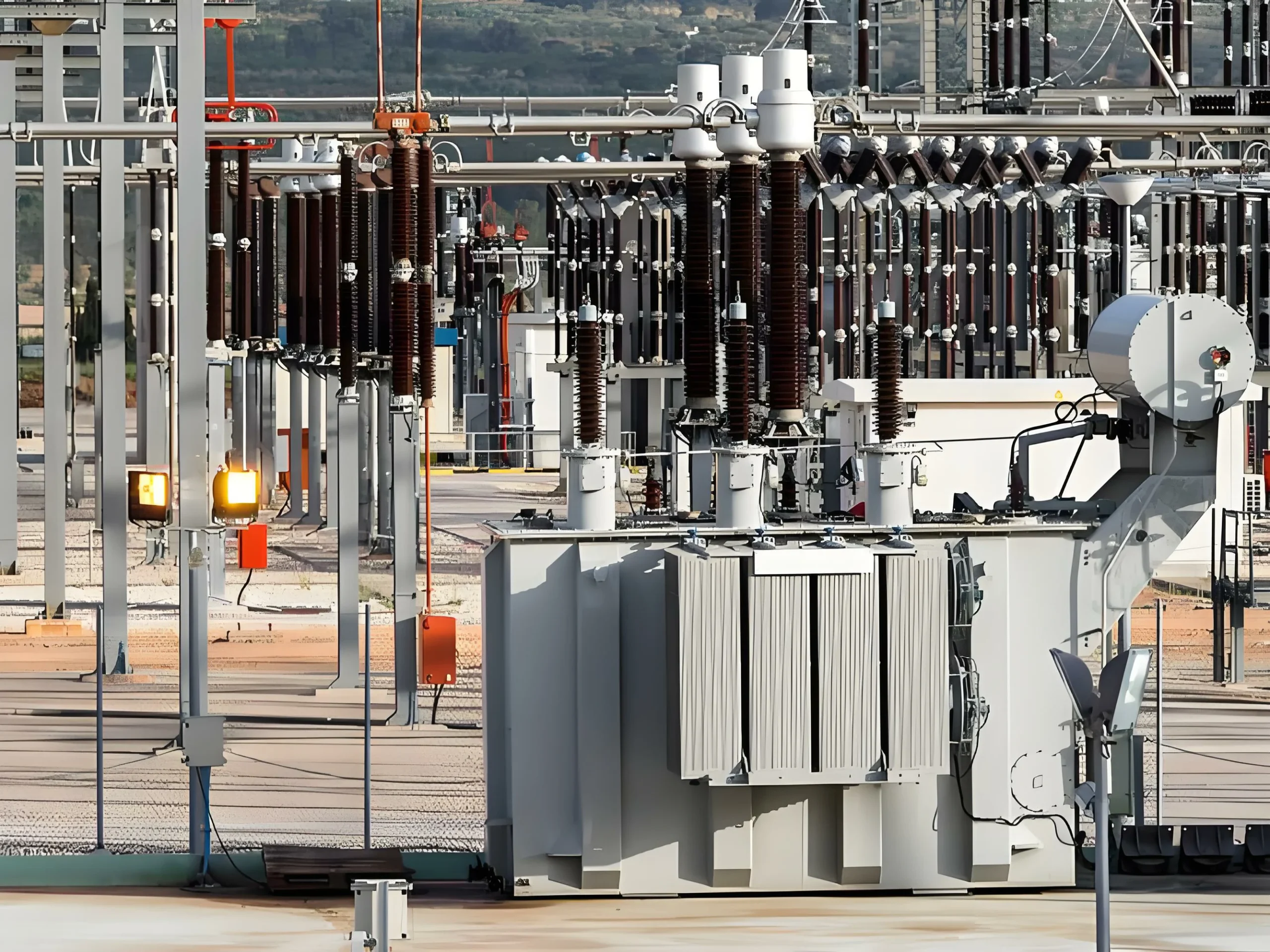
For facility managers, industrial engineers, and procurement specialists, selecting the right infrastructure is critical to operational continuity. Power delivery systems form the backbone of any commercial or manufacturing site, yet improper component choices can lead to unplanned downtime, safety hazards, and compliance failures. Understanding the core components, their classifications, and how to evaluate them against your operational needs is the first step toward building a resilient electrical network.
What Is Electrical Distribution Equipment?
When engineers discuss an electrical distribution equipment definition, they are referring to the interconnected hardware and systems responsible for stepping down, controlling, and routing electrical power from the utility grid to end-use circuits. Unlike transmission networks that move high-voltage power over long distances, distribution systems operate at medium to low voltage levels and focus on localized delivery. The precise electrical distribution equipment definition encompasses switchgear, transformers, panelboards, busways, circuit breakers, and protective relays. These components work in unison to ensure voltage stability, isolate faults, and prevent overload conditions. In industrial environments, the electrical distribution equipment definition also extends to motor control centers and power monitoring devices that integrate with building management systems. Recognizing this scope helps procurement teams avoid mismatched specifications and ensures compliance with NEC, IEC, and ISO standards.
Core Types and Their Applications
Distribution hardware is categorized by function, voltage class, and installation environment. The most common types include:
• Switchgear:
Metal-clad or metal-enclosed configurations control and protect circuits in medium-voltage applications. It is essential for substations and large industrial plants where fault interruption and system isolation are critical.
• Transformers:
Step-down transformers convert utility voltage to usable levels for machinery and lighting. Dry-type units dominate indoor facilities due to fire safety, while oil-filled models remain standard for outdoor substations.
• Panelboards & Switchboards:
These distribute power to branch circuits. Switchboards handle higher amperage for main feeders, while panelboards serve localized loads like HVAC or production lines.
• Busway Systems:
Replacing traditional cable runs, busways offer modular power distribution in data centers and manufacturing floors. They allow easy tap-off points for equipment expansion without extensive rewiring.
• Circuit Breakers & Protective Relays: Air-insulated, vacuum, or SF6 breakers interrupt fault currents. Paired with digital relays, they enable predictive maintenance through real-time monitoring of arc flash risks and thermal anomalies.
How to Select the Right Distribution System
Choosing components requires a structured evaluation beyond basic voltage ratings. When applying the electrical distribution equipment definition to procurement workflows, teams must cross-reference load calculations with manufacturer datasheets. Start by mapping your load profile, including peak demand, harmonic distortion, and future expansion plans. For critical operations, prioritize redundancy with dual-feed configurations and automatic transfer switches. Compliance is non-negotiable; verify that all hardware meets UL, CE, or IEEE standards relevant to your region. Environmental factors also dictate material choices. Corrosion-resistant enclosures are mandatory for outdoor or chemical-exposed sites, while IP54-rated indoor units suffice for climate-controlled facilities. Integration capability is another decisive factor. Modern smart distribution systems should support Modbus, BACnet, or cloud-based analytics to enable energy tracking and fault diagnostics. Finally, evaluate total cost of ownership. Lower upfront pricing often masks higher maintenance costs, shorter lifespans, or limited warranty coverage.
Building a reliable power network starts with accurate specifications and informed component selection. By aligning hardware capabilities with operational demands, safety standards, and long-term scalability, organizations can minimize downtime and optimize energy efficiency across their distribution infrastructure.
Subscribe to our free newsletter
We provide customized power distribution equipment solutions.
Our Privacy Policy .